Okay, types of standing seam metal roofing panels and which type is best suited for your project—standing seam is widely regarded as the gold standard for metal roofing, and it truly is one of the best roofing options available.If you are choosing standing seam metal roofing, there are different types of roofing panels, and it’s a very important decision to make.So yeah, choosing the right panel is really a big deal.In this blog, we’ll break down the three main types of standing seam panels, compare their features, cost, and performance—and this will really help you decide which panel is best for your next project.
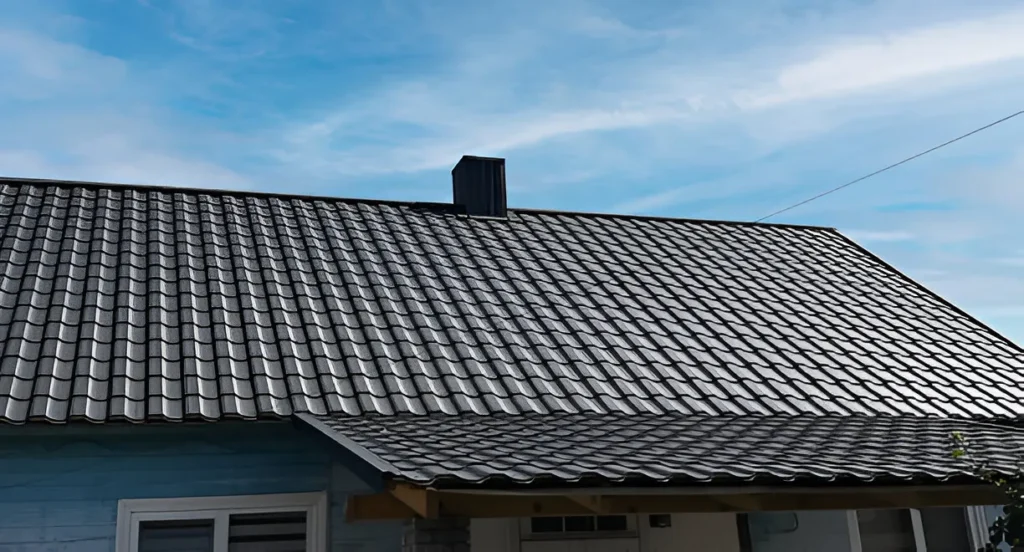
What Is Standing Seam Metal Roofing?
Okay, standing seam metal roofing consists of panels that run vertically up the roof with seams, okay. And there is a slight pop or raise at the level of the roofing panels. These seams lock together, and this forms a strong and very reliable weather-tight seal, okay.
It is like resistant to weather—no external weather factors affect it or work there.
The 3 Types of Standing Seam Roof Systems
There are three main types of standing seam metal roofing panels:
- Snap Lock (with Clips and Concealed Fasteners)
- Mechanically Seamed (Locked with Clips and Concealed Fasteners)
- Nail Strip (Also Known as Nail Flange or Fastener Flange)
Let’s explore each of these in detail.
1. Snap Lock Standing Seam System
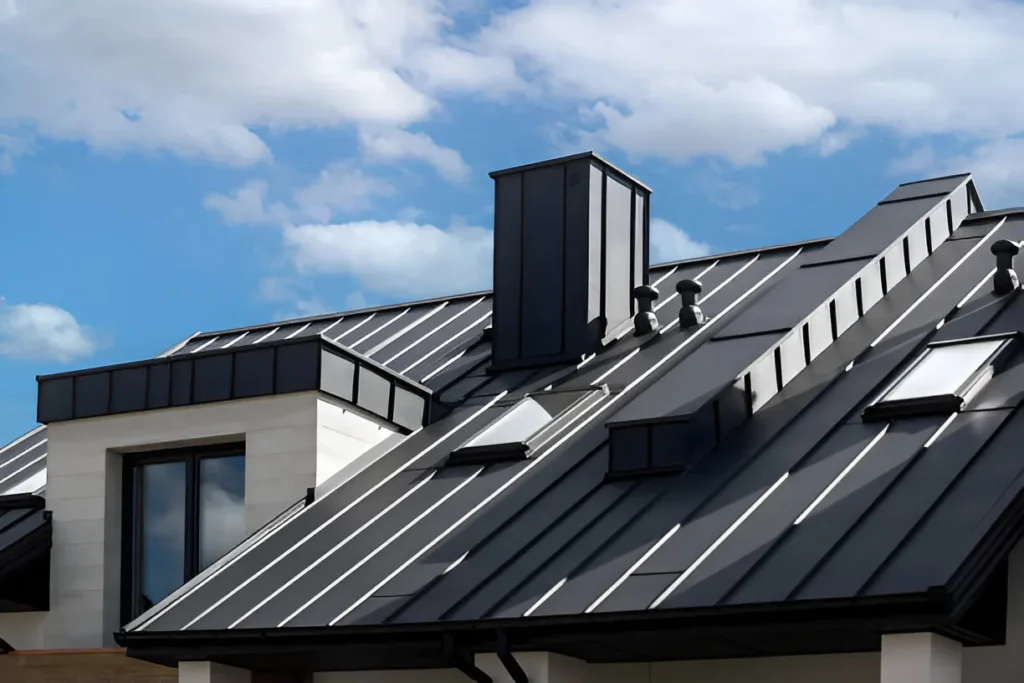
Okay, the first type is Snap-Lock Standing Seam System, and how it works is: the panels feature a male and female leg that snap together.
They are secured using clips and concealed fasteners. To install them, no special seaming tool is required at all.
Benefits
there are many benefits of Snap-Lock Standing Seam Systems. These are faster and cheaper to install than other roofing panels.
There are no exposed fasteners, so no need for bar washers is required, right?
They are ideal for low-slope roofs, and they are really a better option if we compare them with others.
- Faster and cheaper to install than mechanically seamed panels.
- No exposed fasteners, so no rubber washers needed.
- Ideal for roof slopes of 2:12 or greater.
- One of the most popular and widely specified panels in the industry.
- Compatible with various roof decks and assemblies.
- Balanced performance and price
- Ease of installation
- Residential or light commercial use
2. Mechanically Seamed Standing Seam System
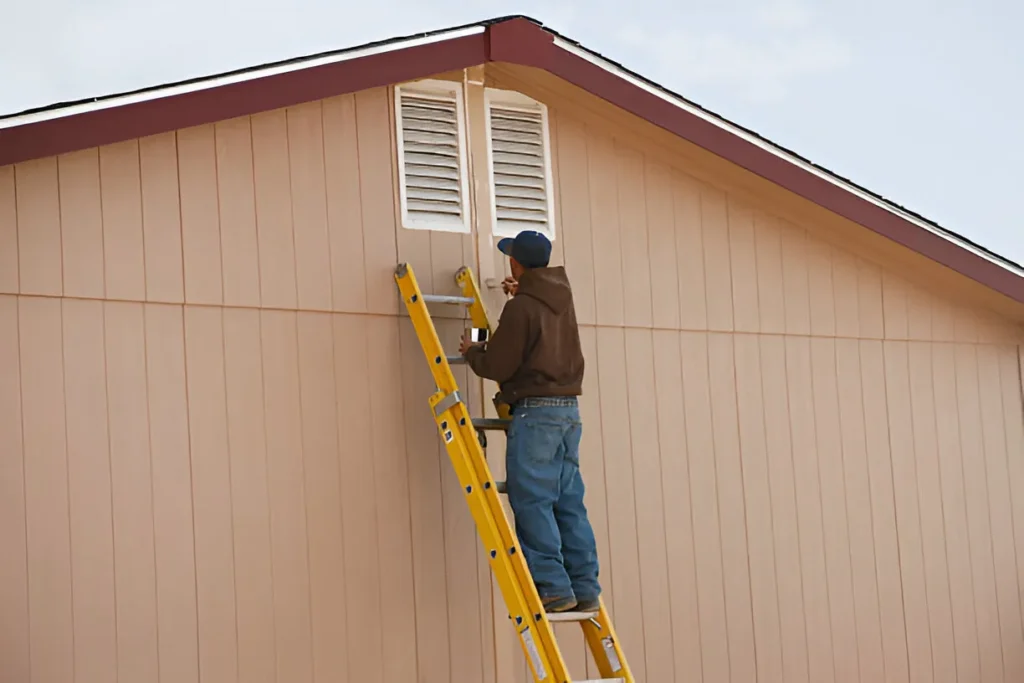
Mechanical seam standing seam, okay — these panels are locked together with a mechanical hand seamer, and they are the second type of locking panels.
They are available in single lock systems and double lock (full) systems.They are installed with clips and fasteners, and this type of locking panel is reliable and slightly cheaper.
Benefits
- Double lock is the most weather-tight option.
- Performs best in low-slope roofs and harsh climates.
- Stronger seam security than snap lock.
Drawbacks
- Requires more expertise and labor to install.
- Higher cost due to tools and professional installation.
They are best for very low-slope roofs and loose areas, and they perform well in extreme weather conditions and harsh environments.
They are commonly used in commercial buildings and in regions where there is heavy snowfall all the time.
3. Nail Strip Standing Seam System
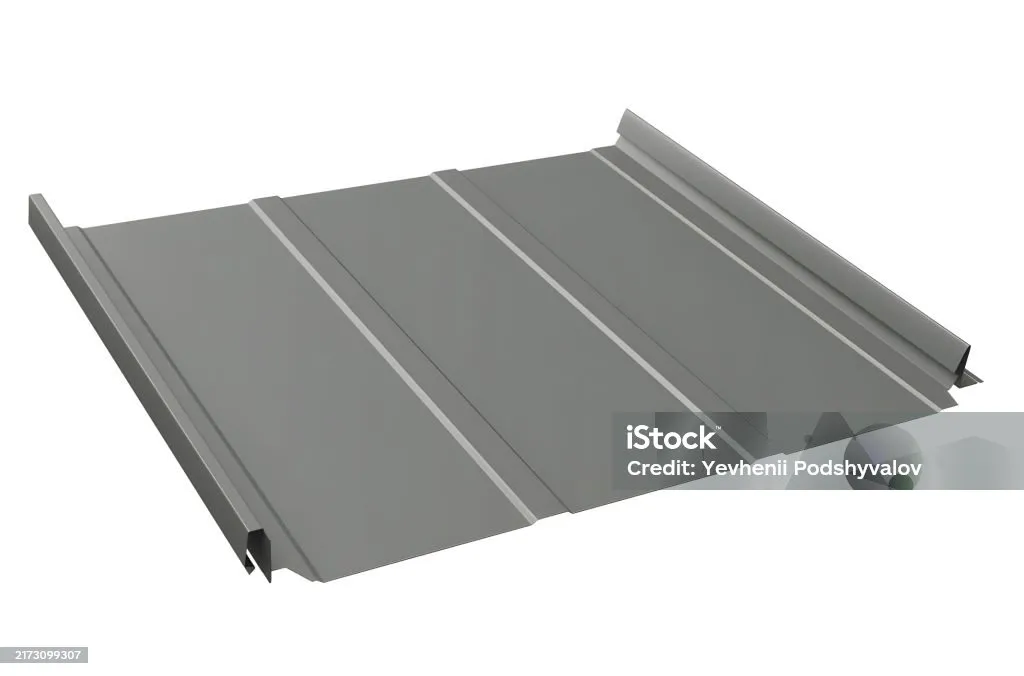
How It Works:
- Fastened directly through the male flange into the roof deck.
- The female leg snaps over, hiding the fasteners.
- No clips used.
Benefits:
- Least expensive standing seam system.
- Easier and quicker to install—great for DIY homeowners.
Drawbacks:
- Higher risk of installation errors (e.g., over-tightening screws).
- Panels may not move freely due to thermal expansion.
- Can lead to fastener hole failure.
- Limited to 30-foot panel lengths.
- Not suitable for commercial use or for weather-tight warranties.
Best For:
- Smaller budgets
- DIY or fast installations
- Residential projects only
Quick Comparison Table
| Panel Type | Best For | Weather Tightness | Installation Difficulty | Price Range |
|---|---|---|---|---|
| Snap Lock | General use, balance of price & performance | ⭐⭐⭐⭐ | ⭐⭐ | $$ |
| Mechanically Seamed | Low slopes, extreme weather | ⭐⭐⭐⭐⭐ | ⭐⭐⭐⭐⭐ | $$$$ |
| Nail Strip | Budget-friendly residential use | ⭐⭐ | ⭐ | $ |
Final Thoughts: Which Panel Should You Choose?
- Choose Snap Lock if you want a cost-effective, easy-to-install option with solid performance.
- Choose Mechanically Seamed if you’re dealing with very low slopes or severe weather conditions.
- Choose Nail Strip only if you’re on a tight budget and working on a simple residential project with shorter panel lengths.
Learn More About Standing Seam Metal Roofing
Interested in diving deeper? Check out more helpful guides and videos from the Metal Roofing Learning Channel brought to you by Western States Metal Roofing.
Common types include snap-lock, mechanical lock, and batten seam standing seam metal roof panels.
You can buy standing seam metal roof panels near you from local suppliers, Home Depot, or Lowe’s.
The cost of standing seam metal roof panels varies from $4 to $12 per square foot based on type and material.
You can download standing seam metal roof details PDFs from manufacturers or roofing product websites.
Standing seam metal roofing panels feature vertical legs with hidden fasteners, unlike exposed fastener panels.
Typical standing seam metal roof panel widths range from 12″ to 18″, with lengths custom-cut per project.
Standing seam metal roof assembly uses interlocking panels secured with clips and concealed fasteners.